Dermatology
Cold Sore Treatment
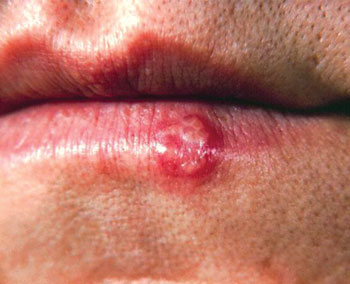
Aug
Natural Health Products
There is some evidence that a cream of lemon balm (Melissa officinalis) containing 1% of a 70:1 leaf extract applied to the site of a cold sore during the prodromal stage reduces the number and size of lesions, although the overall severity of the outbreak is not lessened.Lemon balm is usually applied 2–4 times daily from first sign of prodrome, ideally within 72 hours of onset, to a few days after the lesions have healed, i.e., 5–10 days.
Lysine, an essential amino acid, is available in oral and topical dosage forms for prevention and treatment of cold sores. Lysine is theorized to compete with arginine, another essential amino acid required for viral replication, thereby providing an antiviral effect.Evidence regarding the effectiveness of lysine for this indication varies, with some studies indicating efficacy is dose-dependent.
Topical application of zinc preparations have been reported to benefit patients with cold sores and may improve time to healing when applied as soon as possible after symptoms onset.The risk of skin irritation may be increased.Given the lack of standardized frequency and concentration, the variety of zinc salts used in trials and the lack of high-quality data, further information is required.
Limited evidence suggests that daily, orally administered zinc sulfate (up to 50 mg/day) may reduce the occurrence of cold sores as well as the duration of lesions during an episode when administered for a 3–4 month treatment period. However, the potential for copper deficiency with long-term zinc use and lack of quality data should be noted.
There is no published evidence regarding the safety and effectiveness of heparin in the treatment of cold sores, although it is an ingredient in frequently recommended products.
Caustic substances such as silver nitrate may create further damage and should not be applied to cold sores.
Highly astringent topical ingredients such as tannic acid are not recommended for treatment of cold sores. They have the potential to cause excessive drying of the area with resultant fissuring, discomfort and potential bacterial superinfection.