Women's Heath
Osteoporosis
04
Jul
Jul
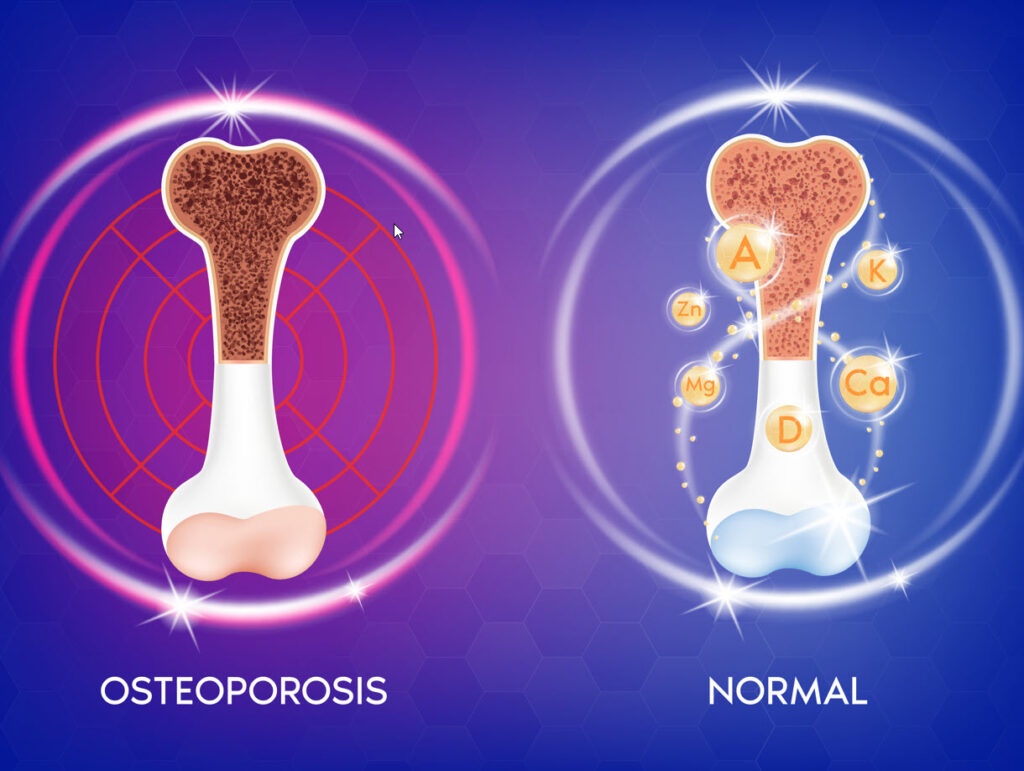
The disease osteoporosis causes the bones to degenerate. Bones become more permeable as they lose mass. Fractures are more likely as a result of their increased fragility.
Osteoporosis typically has no symptoms or warning indications until a bone is broken. Hip, spine, wrist, and shoulder fractures are the most frequent types of fractures.
A simple fall or a relatively weak strike might cause fractures. Even without a clear cause, they occasionally happen. Fractures frequently cause pain. Some, like spinal fractures, can be painless.
It is advised that those at risk for osteoporosis undergo a bone mineral density (BMD) test to determine whether they have the condition because osteoporosis has no symptoms other than broken bones.
causes and precipitants
A considerable decrease of bone mass is the root cause of osteoporosis.
All ages are susceptible to the illness. It is more likely to manifest in some persons. The most typical risk elements are listed below:
Aging
being female
osteoporosis runs in the family
specific illnesses (e.g., rheumatoid arthritis, celiac disease)
Malnutrition
Vitamin D and calcium deficiencies
high alcohol intake
Smoking
absence of exercise
certain medicines
Treatment
Osteoporosis can be treated in a number of ways. Some of them reduce bone resorption, while others promote the growth of new bone tissue. Alendronate and risedronate are two examples of medicines that are taken orally (e.g., denosumab and zoledronic acid).
Whether you have osteoporosis or not, it is imperative to follow healthy lifestyle practices to lower your risk of fracture. Even if you have started treatment with medicine, these should still be kept up. Here are a few illustrations:
Exercise:
aerobic exercise including weight-bearing (e.g., walking, jumping rope, jogging)
Weightlifting or strength training (e.g., lifting weights)
Things that call for balance (e.g., tai chi or yoga)
Consume a lot of calcium-rich meals (e.g., milk, cheese, salmon, legumes, dietary supplements)
eat a vitamin D-rich diet (e.g., eggs, fortified milk and soy products)
People over the age of 50 are frequently advised to take additional vitamin D.
Moderate alcohol consumption
Stop smoking.
When should I visit a medical expert?
Consult your healthcare practitioner about the following circumstances:
Numerous factors put you at risk for osteoporosis.
You hurt yourself after falling.