Uncategorized
The Fascinating World of Cordyceps: Nature’s Mind-Blowing Fungi
14
Aug
Aug
**The Fascinating World of Cordyceps: Nature’s Mind-Blowing Fungi**
**Introduction**
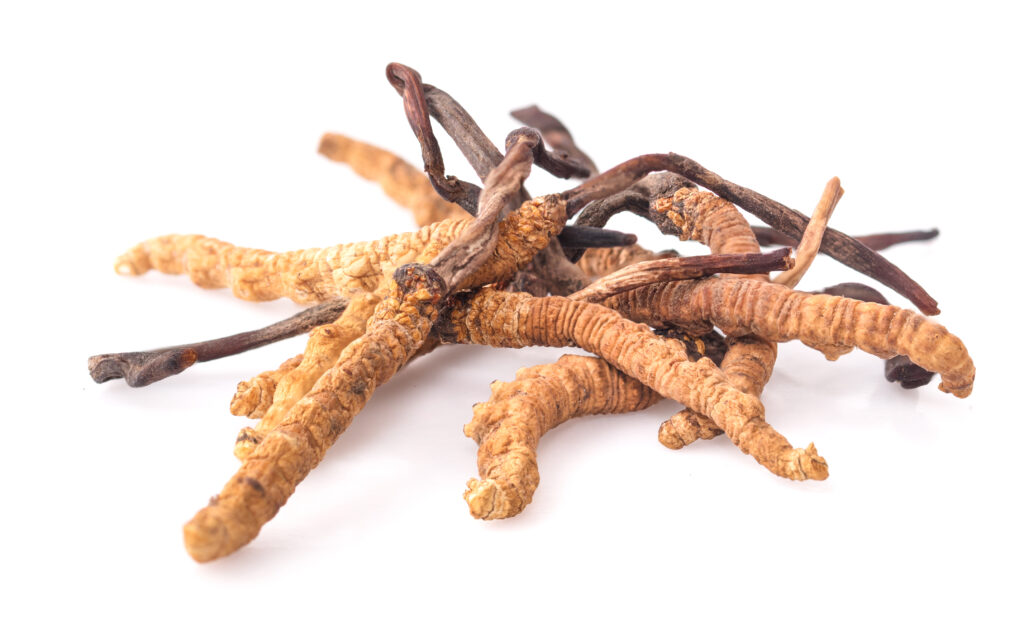
In the vast and diverse realm of fungi, Cordyceps stands out as one of the most intriguing and captivating species. This remarkable genus of parasitic fungi is renowned for its extraordinary ability to manipulate and control the behavior of its host organisms. With a history dating back millions of years, Cordyceps has enthralled scientists and nature enthusiasts alike, unveiling a world of intricate interactions and astonishing adaptability. In this blog post, we will delve into the captivating world of Cordyceps, exploring its life cycle, unique properties, and potential applications in various fields.
**The Life Cycle of Cordyceps**
Cordyceps fungi possess a complex life cycle that showcases their extraordinary adaptability. It all begins with spores, which are dispersed by wind or insects and land on the suitable host organisms. Once the spore settles on a host, it germinates and invades the body of the unsuspecting creature. This marks the beginning of a symbiotic or parasitic relationship, depending on the specific Cordyceps species.
**Cordyceps and the Insect World**
One of the most remarkable aspects of Cordyceps is its relationship with insects. Several Cordyceps species have evolved to infect and manipulate the behavior of various insect species. For instance, Cordyceps unilateralis targets ants, infecting their bodies and gradually taking control of their nervous systems. The infected ant is then compelled to climb to a higher location before dying. The fungal spores then sprout from the ant’s body, allowing the cycle to continue.
**Medicinal Properties and Health Benefits**
Beyond their mind-boggling behavior-modifying abilities, Cordyceps also hold significant medicinal properties and health benefits. Traditional Chinese medicine has long recognized the therapeutic potential of Cordyceps, using it to boost vitality, strengthen the immune system, and enhance overall well-being. Modern research has revealed potential applications of Cordyceps in treating respiratory conditions, improving athletic performance, and supporting cardiovascular health. These findings have sparked interest in exploring Cordyceps as a natural alternative for various health concerns.
**Cordyceps in Modern Science and Research**
The unique properties of Cordyceps have attracted the attention of researchers and scientists worldwide. In recent years, studies have unraveled the bioactive compounds present in Cordyceps, shedding light on their potential pharmaceutical and industrial applications. Researchers have discovered a wide range of bioactive compounds, including cordycepin, adenosine, polysaccharides, and various antioxidants. These compounds exhibit antimicrobial, anti-inflammatory, and anti-cancer properties, opening up new avenues for drug development and biotechnological applications.
**Cultivation and Sustainability**
As interest in Cordyceps continues to grow, efforts are being made to cultivate these fungi in controlled environments. Cultivation ensures a sustainable supply of Cordyceps, reducing the strain on natural habitats and the reliance on wild harvesting. With advancements in cultivation techniques, it has become possible to produce Cordyceps in laboratories or indoor farms, maintaining strict quality control and optimizing the production process. This sustainable approach not only benefits the environment but also makes Cordyceps more accessible for scientific research and commercial use.
**Culinary Delights and Gastronomic Adventure**
While Cordyceps has long been revered for its medicinal properties, it has also found its way into the culinary world. These fungi have a unique flavor profile that blends earthiness with slight sweetness, making them a delightful addition to various dishes. Cordyceps are commonly used in soups, stir-fries, and traditional Chinese cuisine, adding a distinct umami
**Culinary Delights and Gastronomic Adventure (continued)**
umami and textural element to the dishes. Their versatility allows them to be incorporated into both savory and sweet preparations, offering a range of culinary possibilities.
In traditional Chinese cuisine, Cordyceps are often used in soups and stews, where their unique flavor infuses the broth with a rich and savory taste. The delicate aroma of Cordyceps enhances the overall depth of the dish, creating a satisfying and nourishing experience. Additionally, these fungi can be stir-fried with vegetables or added to rice and noodle dishes, providing an interesting contrast of textures.
Outside of China, Cordyceps have gained popularity in international cuisine as well. Chefs and food enthusiasts around the world have started exploring the culinary potential of these fungi, experimenting with innovative recipes and flavor combinations. From gourmet restaurants to home kitchens, Cordyceps have become an exciting ingredient for those seeking gastronomic adventures.
**Exploring Ethnomycology: Cordyceps in Traditional Cultures**
Cordyceps have long held a significant place in traditional cultures around the world. From the mountains of Nepal to the highlands of Tibet, indigenous communities have revered Cordyceps for their medicinal and spiritual properties. These cultures have incorporated Cordyceps into their traditional practices, utilizing them in herbal remedies, rituals, and folk medicine.
The harvesting of wild Cordyceps has become a cultural tradition in certain regions, where locals venture into the mountains in search of these valuable fungi. This practice not only serves as a means of livelihood but also holds cultural and social significance within these communities.
**The Future of Cordyceps: Potential Applications**
As our understanding of Cordyceps deepens, the potential applications of these fungi continue to expand. From pharmaceuticals to agriculture, Cordyceps present a wide range of opportunities for scientific research and commercial development.
In the pharmaceutical field, Cordyceps compounds have shown promise as potential treatments for various conditions. The antimicrobial and anti-inflammatory properties of Cordyceps have sparked interest in their use in developing new antibiotics and anti-inflammatory drugs. Additionally, their antioxidant properties make them a potential ingredient in anti-aging and skincare products.
In agriculture, Cordyceps can play a role in sustainable farming practices. These fungi have been studied for their ability to enhance plant growth, improve soil health, and protect crops from diseases. Incorporating Cordyceps into agricultural systems can contribute to ecological balance and reduce the reliance on chemical pesticides.
Moreover, the potential economic benefits of cultivating and commercializing Cordyceps are significant. As consumer interest in natural health products and functional foods continues to rise, Cordyceps products have gained a foothold in the wellness industry. Supplements, extracts, and other Cordyceps-based products have found their way onto store shelves, catering to health-conscious consumers worldwide.
**Conclusion**
Cordyceps, the captivating fungi with their extraordinary life cycle, behavior-modifying abilities, and medicinal properties, have intrigued scientists and nature enthusiasts alike. From their fascinating interactions with insects to their potential applications in various fields, Cordyceps continue to unveil their secrets, inspiring research and exploration. As we navigate the intricate world of fungi, Cordyceps stand as a testament to the wonders of nature, reminding us of the boundless marvels that exist within our ecosystems.