Gastroenterology
Hemorrhoids anyone?
Jul
What are hemorrhoids?
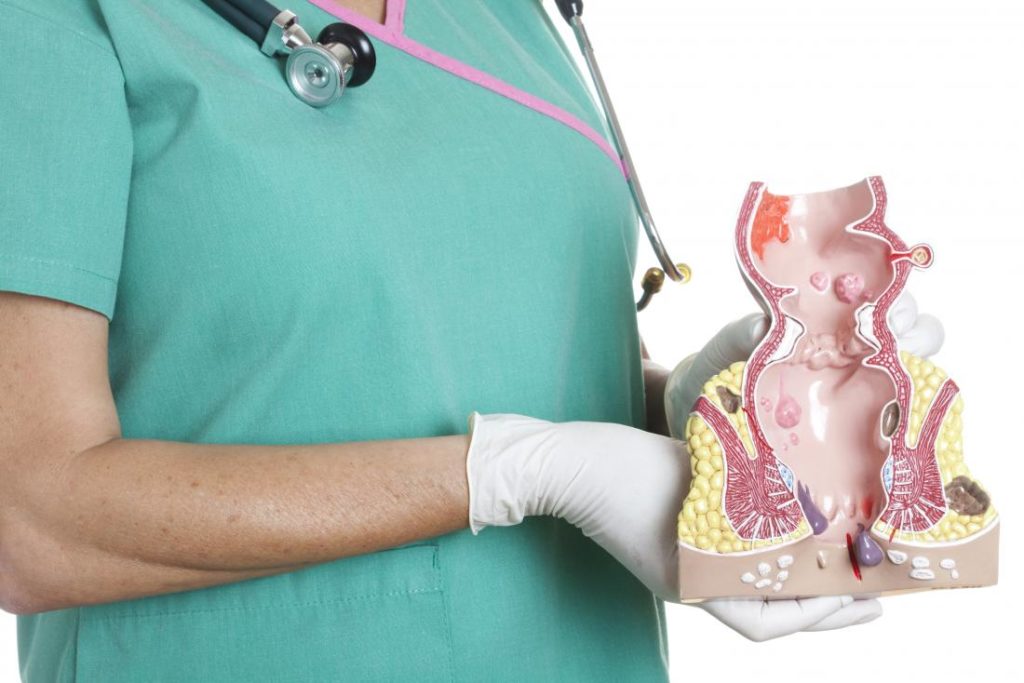
Hemorrhoids are swollen veins just inside or outside the anus or rectum.
Hemorrhoids are more common as you get older. They might come from:
Constipation or diarrhea.
Sitting for a long time (even on the toilet).
Pregnancy.
Straining or pushing when you have a bowel movement.
How do I know if I have hemorrhoids?
If you have hemorrhoids, you may notice:
Bright red blood in the toilet or on the tissue when you wipe after a bowel movement.
Rectal itching or pain.
A lump near the anus.
What can I do for my hemorrhoids?
Here are a few things you can try:
Eat foods high in fiber or take fiber supplements (e.g., Benefiber [Benefibre in Canada], Metamucil). Try to get about 30 grams of fiber each day.
Examples of foods high in fiber: beans, fresh fruits and vegetables, and whole grains.
Try to drink about two liters (~8 cups) of fluid each day.
Sit in warm water for about 10 to 15 minutes a few times a day.
Use ice packs to help with swelling. Avoid putting ice directly to the skin.
Get regular exercise.
Ask your pharmacist which over-the-counter (OTC) meds may help with pain, itching, or swelling (e.g., Preparation H, Tucks, acetaminophen, ibuprofen).
Ask your pharmacist about a laxative (e.g., Dulcolax, MiraLAX) to treat constipation, if fiber, fluids, and exercise are not enough.
What should I avoid?
Ask your pharmacist if any of your meds may be causing constipation.
Some things make hemorrhoids worse. If possible, avoid:
Foods that give you constipation (e.g., cheese, milk, yogurt).
Sitting for a long time (even on the toilet).
Straining or pushing when you have a bowel movement.
Holding it. If you feel like you need to have a bowel movement, you should go.
When should I call my prescriber?
Call your prescriber if:
You see bright red blood in the toilet or on the tissue when you wipe.
Home treatments and OTC meds don’t help after about one week.